 Chat with us
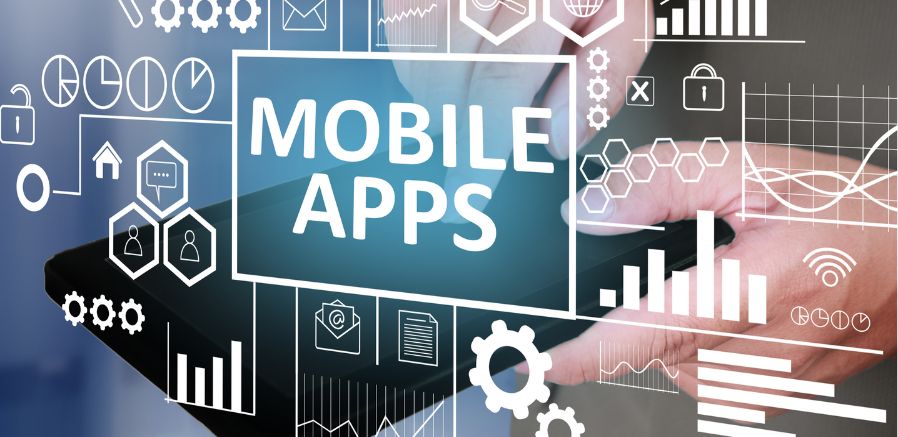
Why Mobile Apps Are Essential for Business Growth in 2026
As digital transformation continues to reshape industries worldwide, mobile applications have become one of the most powerful tools for business growth. In 2026, consumers expect businesses to provide fast, personalized, and seamless mobile experiences. Whether they are shopping online, booking services, managing finances, or interacting with brands, customers increasingly prefer mobile apps over traditional websites.
For businesses, this shift presents a significant opportunity. Companies that invest in android app development services can improve customer engagement, strengthen brand loyalty, increase operational efficiency, and unlock new revenue streams. Mobile apps are no longer a luxury for large enterprises—they are a necessity for startups, small businesses, and established organizations alike.
This article explores why mobile apps are essential for business growth in 2026 and how businesses can leverage mobile technology to stay competitive in a rapidly evolving digital landscape.
The Rise of Mobile-First Consumer Behavior
Smartphones have become an integral part of daily life. Consumers use mobile devices for communication, shopping, entertainment, banking, healthcare, and education. As mobile internet usage continues to surpass desktop usage, businesses must adapt to meet customers where they spend most of their time.
Key factors driving mobile-first behavior include:
- Increased smartphone adoption worldwide
- Faster mobile internet connectivity
- Growth of mobile commerce (mCommerce)
- Demand for on-demand services
- Preference for personalized user experiences
Businesses that fail to provide a strong mobile presence risk losing customers to competitors that offer convenient and engaging mobile solutions.
Mobile Apps Enhance Customer Engagement
One of the biggest advantages of mobile applications is their ability to create direct and continuous communication between businesses and customers.
Unlike websites, mobile apps remain accessible on a user’s device at all times. Features such as push notifications, personalized recommendations, loyalty programs, and in-app messaging help businesses maintain regular interaction with their audience.
Benefits of enhanced customer engagement include:
- Higher customer retention rates
- Increased brand awareness
- Improved customer satisfaction
- Greater opportunities for repeat purchases
When customers engage with a business regularly through a mobile app, they are more likely to develop long-term loyalty.
Mobile Apps Improve Customer Experience
Customer experience is a major factor influencing purchasing decisions in 2026.
Modern mobile applications provide:
- Fast loading speeds
- Intuitive navigation
- Personalized content
- Secure payment options
- Real-time support
- Simplified purchasing processes
A positive user experience increases customer satisfaction and encourages users to return to the app frequently.
Businesses investing in custom mobile app development can tailor experiences to meet specific customer needs, resulting in higher engagement and conversion rates.
Increased Brand Visibility and Recognition
A mobile application acts as a constant reminder of your brand.
Every time a customer unlocks their smartphone, your app icon remains visible. This ongoing presence strengthens brand recognition and keeps your business top of mind.
Mobile apps also enable businesses to:
- Promote new products and services
- Share company updates
- Deliver targeted marketing campaigns
- Build stronger customer relationships
Consistent brand visibility contributes to long-term customer loyalty and trust.
Mobile Commerce Is Driving Revenue Growth
The growth of mobile commerce continues to transform the retail landscape.
Consumers increasingly prefer shopping through mobile applications because they offer convenience, speed, and personalized experiences. Features such as one-click checkout, saved payment methods, and personalized product recommendations simplify the purchasing process.
Benefits of mobile commerce apps include:
- Increased conversion rates
- Reduced cart abandonment
- Higher average order values
- Improved customer retention
Businesses that invest in ecommerce app development can capitalize on growing consumer demand for mobile shopping experiences.
Mobile Apps Enable Personalization at Scale
Personalization has become a key differentiator in competitive markets.
Mobile applications allow businesses to collect valuable user data, including:
- Browsing behavior
- Purchase history
- User preferences
- Geographic location
- Engagement patterns
This information can be used to deliver:
- Personalized recommendations
- Targeted promotions
- Customized content
- Relevant notifications
Personalized experiences increase customer satisfaction and improve conversion rates.
Real-Time Communication Strengthens Customer Relationships
Customers expect immediate responses and updates from businesses.
Mobile apps facilitate real-time communication through:
- Push notifications
- In-app chat systems
- Live customer support
- Order status updates
- Appointment reminders
These communication channels help businesses build trust, improve responsiveness, and enhance customer experiences.
Mobile Apps Support Business Automation
In addition to improving customer experiences, mobile applications can streamline internal business processes.
Mobile apps support automation in areas such as:
- Inventory management
- Employee communication
- Workflow approvals
- Customer relationship management
- Appointment scheduling
Automation reduces manual effort, improves efficiency, and lowers operational costs.
Businesses that embrace mobile technology can achieve greater productivity while delivering better services to customers.
Mobile Apps Provide Valuable Business Insights
Data-driven decision-making is critical for sustainable growth.
Mobile applications generate valuable analytics related to:
- User engagement
- Customer behavior
- Sales performance
- Marketing effectiveness
- Feature usage
These insights enable businesses to:
- Optimize marketing campaigns
- Improve user experiences
- Identify growth opportunities
- Make informed business decisions
Access to real-time data gives businesses a competitive advantage in dynamic markets.
Competitive Advantage in a Digital Economy
As more businesses adopt mobile-first strategies, having a mobile application is becoming a competitive necessity.
A professionally developed mobile app can differentiate your business by offering:
- Faster customer service
- Better accessibility
- Enhanced convenience
- Personalized interactions
- Innovative features
Businesses that invest in mobile app development services are better positioned to attract and retain customers in competitive industries.
Mobile Apps Strengthen Customer Loyalty
Customer retention is often more cost-effective than customer acquisition.
Mobile applications help businesses build loyalty through:
- Rewards programs
- Exclusive offers
- Personalized experiences
- Seamless interactions
- Convenient access to products and services
Loyal customers are more likely to make repeat purchases, recommend your business, and contribute to long-term revenue growth.
Emerging Technologies Are Expanding Mobile App Capabilities
The future of mobile applications is being shaped by emerging technologies such as:
Artificial Intelligence (AI)
AI-powered apps can provide:
- Personalized recommendations
- Intelligent chatbots
- Predictive analytics
- Automated customer support
Internet of Things (IoT)
IoT-enabled apps allow users to control connected devices, monitor systems, and access real-time data.
Augmented Reality (AR)
AR enhances user experiences in industries such as ecommerce, real estate, healthcare, and education.
Cloud Computing
Cloud-integrated applications offer scalability, improved performance, and secure data storage.
Businesses adopting these technologies can create innovative mobile experiences that drive growth and customer engagement.
Industries Benefiting from Mobile App Development
Mobile applications are transforming businesses across various industries.
Ecommerce
Shopping apps improve customer engagement and increase sales.
Healthcare
Healthcare apps support telemedicine, appointment scheduling, and patient management.
Education
Educational apps provide online learning, virtual classrooms, and personalized learning experiences.
Finance
Fintech apps offer secure mobile banking, digital payments, and investment management.
Real Estate
Property apps simplify property searches, virtual tours, and lead generation.
Logistics
Logistics apps improve tracking, route optimization, and delivery management.
Across industries, mobile applications continue to create new opportunities for growth and innovation.
Why Businesses Need Professional Mobile App Development Services
Developing a successful mobile application requires expertise in design, development, security, and user experience.
Professional mobile app development services provide:
- Custom application development
- Cross-platform solutions
- UI/UX design
- API integration
- Cloud deployment
- Security implementation
- Ongoing maintenance and support
Partnering with experienced developers ensures that businesses receive scalable, secure, and high-performing applications tailored to their objectives.
Why Choose Askzenix Technologies for Mobile App Development?
At Askzenix Technologies, we help businesses transform ideas into powerful mobile applications that drive growth and improve customer experiences.
Our mobile app development services include:
- Android app development
- iOS app development
- Flutter app development
- React Native app development
- Ecommerce app development
- Enterprise mobile solutions
- UI/UX design services
- Application maintenance and support
We focus on creating innovative, user-centric mobile applications that help businesses achieve measurable results in today’s competitive digital landscape.
Frequently Asked Questions
Why are mobile apps important for businesses in 2026?
Mobile apps provide direct access to customers, improve engagement, support personalization, and create new revenue opportunities, making them essential for business growth.
How do mobile apps increase customer engagement?
Mobile apps use push notifications, personalized content, loyalty programs, and real-time communication to keep customers engaged with a brand.
Are mobile apps better than mobile websites?
Mobile apps generally offer faster performance, better personalization, offline functionality, and enhanced user experiences compared to mobile websites.
Which industries benefit most from mobile app development?
Industries such as ecommerce, healthcare, finance, education, logistics, and real estate benefit significantly from mobile app development.
How much does mobile app development cost?
The cost depends on app complexity, features, technology stack, platform requirements, and development timelines.
Conclusion:
In 2026, mobile applications are more than just digital tools—they are essential business assets. As consumers increasingly rely on smartphones for everyday activities, businesses must invest in mobile app development to remain competitive, improve customer experiences, and drive sustainable growth.
From increasing customer engagement and brand visibility to enabling automation and personalization, mobile apps offer countless opportunities for businesses to expand their reach and improve operational efficiency.