 Chat with us
Why Businesses Outgrow Template Websites and Need Custom Website Development
Template websites are a practical starting point for startups and small businesses. They offer ready-made designs, faster setup, and relatively low initial costs. However, as a business grows, its website must do more than display information. It needs to generate qualified leads, support customer journeys, integrate with business systems, and deliver a consistent user experience.
This is where template-based websites can become restrictive. Businesses with growing traffic, complex workflows, or specific customer requirements may benefit from custom website development that aligns with their operational needs and long-term goals.
Understanding when to move beyond a template can help businesses make better technology investments and build a website that supports sustainable growth.
Why Template Websites Become Limiting as Businesses Grow
Template websites are designed to serve a broad range of users. While this makes them convenient, a standard design may not accommodate every business's requirements.
A company might initially need only a homepage, service pages, and a contact form. Later, it may require customer dashboards, advanced search, booking systems, CRM integration, personalized content, or automated workflows. Adding these capabilities to an existing template can become difficult when the platform or its plugins do not support the required functionality.
Performance can also become a concern. Excessive plugins, unnecessary scripts, and poorly optimized themes may affect page speed and responsiveness. These issues can create friction for visitors and potentially reduce conversions.
The problem is not that every template website performs poorly. Well-maintained templates can support many businesses effectively. The challenge arises when the website's limitations no longer match the company's evolving requirements.
When Does a Business Need Custom Website Development?
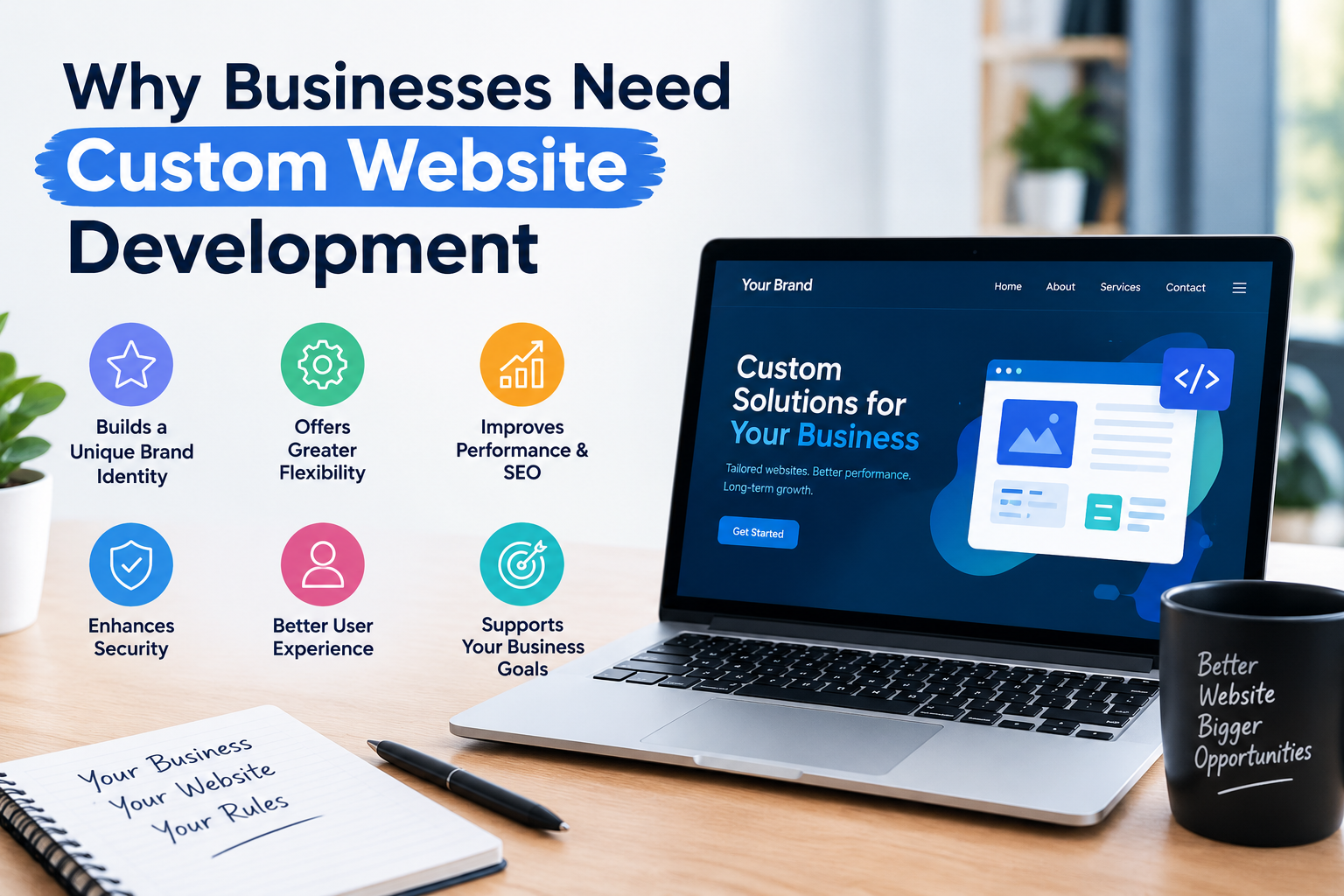
Custom website development becomes worth considering when a business needs greater control over functionality, performance, integrations, and user experience.
Complex business requirements: Companies offering multiple services, managing large product catalogs, or serving different customer segments may need functionality beyond standard templates.
Growing website traffic: As visitor numbers increase, businesses may need better caching, optimized rendering, database improvements, and scalable infrastructure. These requirements should be evaluated through performance testing rather than traffic volume alone.
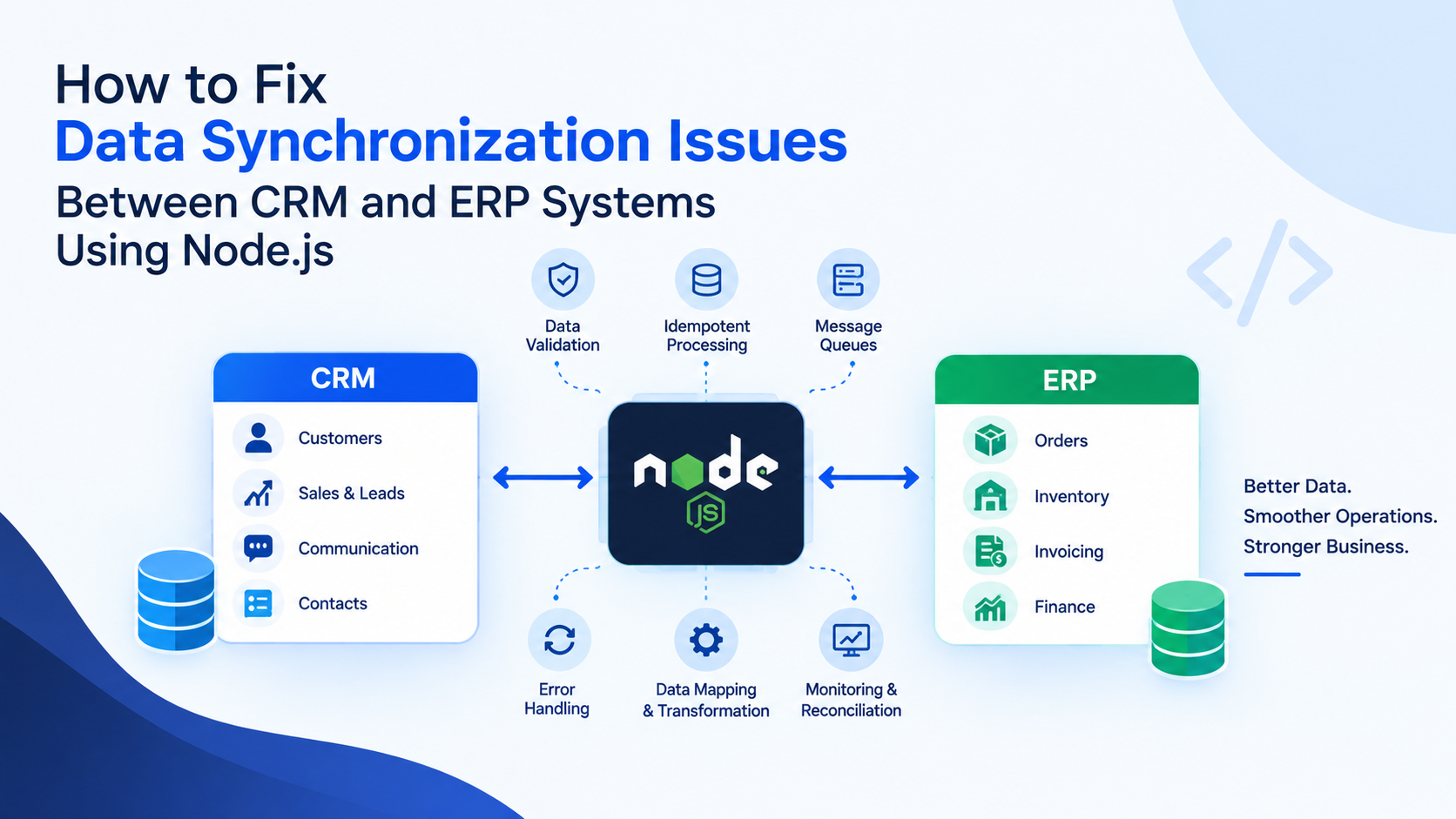
Third-party integrations: Businesses often depend on CRM platforms, ERP systems, payment gateways, marketing automation tools, and internal applications. Custom development can provide greater flexibility when connecting these systems and managing data flows.
Lead generation challenges: A website may attract visitors without generating enough inquiries. Custom landing pages, targeted conversion journeys, interactive forms, and analytics integrations can help businesses identify and address conversion barriers.
Unique customer experiences: Businesses that require personalized dashboards, user accounts, product configurators, or interactive interfaces may need a solution designed around their customers rather than a generic layout.
In these situations, custom development provides an opportunity to build around actual business requirements instead of continually adapting operations to fit a template.
How Custom Website Development Supports Business Growth
A custom website can be designed around specific commercial objectives, whether those objectives involve generating leads, improving customer retention, automating operations, or supporting online transactions.
One major advantage is flexibility. Developers can prioritize the features a business needs without relying entirely on prebuilt themes and plugins. This can simplify future enhancements and reduce unnecessary functionality.
Custom development can also improve integration with existing business systems. For example, a service company could connect its website forms directly to a CRM, automatically assign incoming leads, and track inquiries throughout the sales process. An e-commerce business could integrate inventory, order management, and customer notifications into a more connected workflow.
Another consideration is search engine optimization. A well-built website can support clean URL structures, crawlable content, structured data, mobile responsiveness, and improved Core Web Vitals. These technical foundations help search engines understand the site and provide a better experience for visitors. However, custom development alone does not guarantee higher rankings; content quality, relevance, authority, and ongoing SEO work remain important.
Businesses should also consider maintainability. A properly planned custom solution can make it easier to introduce new features, update integrations, and adapt the website as business needs change.
Why React JS Development Services Matter for Modern Websites
For businesses that need interactive and responsive web experiences, React JS development services can be an effective option.
React is a JavaScript library used to build user interfaces from reusable components. It is particularly useful for websites and web applications that include dynamic content, interactive dashboards, filtering systems, user accounts, and complex customer workflows.
For example, a real estate business could use React to create property search filters, saved listings, interactive property details, and customer inquiry features. A B2B company could develop a customer portal where users access service information, track requests, and manage account details.
Reusable components can help development teams maintain consistency across different sections of a website. When implemented with an appropriate architecture, they can also make future enhancements easier to manage.
React is not necessary for every business website. A simple informational website may work perfectly well with a lightweight content management system. For highly interactive experiences, however, React JS development services can provide the flexibility needed to build tailored user interfaces.
The right technology depends on the project's complexity, SEO requirements, backend architecture, maintenance capabilities, and available budget. React can also be combined with server-side rendering or frameworks that support it when search visibility and initial page performance are important considerations.
Custom Website Development vs. Template Websites
The key difference is the level of flexibility and control available to the business.
Template websites generally offer lower initial development costs, faster deployment, and convenient content management. They are often suitable for startups, portfolios, and businesses with straightforward requirements.
Custom websites typically require more planning, development time, and investment. In return, they can provide greater control over functionality, integrations, user journeys, and technical architecture.
Businesses should compare the total cost of ownership rather than the initial development price alone. Template customization, recurring plugin costs, maintenance, performance improvements, and future redevelopment can all affect the long-term cost.
A custom website is not automatically cheaper or better. It becomes a stronger investment when the expected business value of tailored functionality outweighs the additional development and maintenance costs.
What Businesses Should Evaluate Before Moving to a Custom Website
Before replacing an existing template website, businesses should identify the problems they need to solve.
Start by reviewing website analytics, conversion rates, page performance, user behavior, and customer feedback. Determine whether the current platform genuinely restricts growth or whether improvements to content, design, and configuration would be sufficient.
Next, define the required functionality, including integrations, security controls, accessibility, mobile experience, and future scalability. Establish clear priorities so the project focuses on business outcomes rather than unnecessary features.
The development team should also plan for SEO migration if the existing website is being replaced. URL mapping, redirects, metadata, internal links, analytics, and indexing should be handled carefully to minimize the risk of losing existing organic traffic.
Finally, choose a development partner with relevant technical expertise and a clear understanding of business goals. Experience with custom website development, React JS, backend systems, API integrations, testing, and ongoing maintenance can help reduce implementation risks.
Conclusion
Template websites remain valuable for businesses with simple and predictable requirements. However, as customer expectations increase and operations become more complex, a template may no longer provide the flexibility needed to support growth.
Custom website development allows businesses to build around their specific workflows, customer journeys, integrations, and performance requirements. For projects that need rich interactive interfaces, React JS development services can help create scalable and maintainable web experiences.
The most effective approach is to evaluate the limitations of the existing website, identify measurable business objectives, and select a technology solution that addresses those needs without adding unnecessary complexity.
Askzenix Technologies helps businesses explore custom web development and modern application solutions aligned with their operational requirements and growth plans.