 Chat with us
Modern PHP Frameworks in 2026: Laravel, Symfony, and CodeIgniter Compared
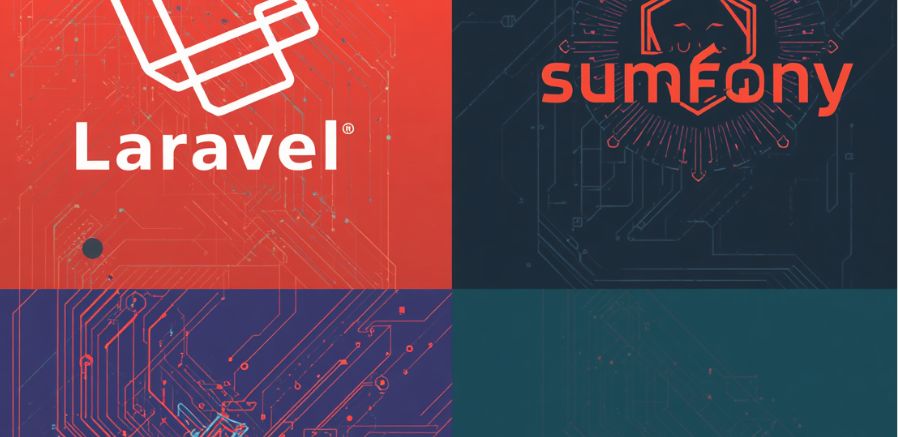
Modern PHP frameworks in 2026 continue to play a critical role in building scalable, secure, and high‑performance web applications. Businesses looking to develop custom web platforms, SaaS solutions, or enterprise systems often rely on frameworks such as Laravel, Symfony, and CodeIgniter to accelerate development while maintaining code quality and security. As a leading provider of PHP development services, Askzenix Technologies helps organizations choose the right framework based on project requirements, scalability goals, and long‑term maintenance needs.
This article compares Laravel, Symfony, and CodeIgniter across performance, scalability, security, learning curve, and enterprise suitability to help businesses make an informed decision.
Overview of Modern PHP Frameworks
PHP has evolved significantly over the last decade, moving from simple scripting to powering complex enterprise applications. Frameworks provide structured architecture, reusable components, built‑in security, and faster development cycles. In 2026, the three most widely used PHP frameworks are Laravel, Symfony, and CodeIgniter, each catering to different types of projects and development teams.
Laravel: The Most Popular PHP Framework in 2026
Laravel continues to dominate the PHP ecosystem due to its elegant syntax, extensive ecosystem, and strong community support. It is widely used for startups, SaaS platforms, and enterprise web applications.
Key Features of Laravel
- MVC architecture with clean routing and controllers
- Blade templating engine for dynamic UI rendering
- Built‑in authentication, authorization, and session management
- Eloquent ORM for database abstraction and simplified queries
- Laravel Artisan CLI for automation and task management
Advantages of Laravel
Laravel offers rapid development capabilities due to its extensive libraries and pre‑built components. Developers can build secure and scalable applications quickly without writing repetitive code. The framework also supports RESTful APIs, real‑time broadcasting, and queue management, making it ideal for modern web applications.
Ideal Use Cases
Laravel is best suited for:
- SaaS product development
- Enterprise web portals
- E‑commerce platforms
- API‑driven applications
Symfony: Enterprise‑Grade PHP Framework
Symfony is known for its flexibility, modular architecture, and enterprise‑level stability. Many large‑scale platforms and government systems rely on Symfony due to its long‑term support and reusable components.
Key Features of Symfony
- Highly modular component‑based architecture
- Robust dependency injection container
- Advanced configuration management
- Strong testing tools and debugging utilities
- Long‑term support (LTS) versions for enterprise stability
Advantages of Symfony
Symfony allows developers to use only the components they need, which helps optimize performance and maintain clean architecture. It is also widely used as the foundation for other frameworks, including Laravel, which relies on several Symfony components internally.
Ideal Use Cases
Symfony is ideal for:
- Complex enterprise systems
- Large‑scale web applications
- Projects requiring high customization and flexibility
CodeIgniter: Lightweight and High‑Performance Framework
CodeIgniter remains relevant in 2026 due to its lightweight architecture and exceptional performance. It is particularly suitable for small to mid‑scale applications and projects requiring minimal server resources.
Key Features of CodeIgniter
- Minimal configuration and easy setup
- Lightweight core with fast execution
- Built‑in security tools for XSS and CSRF protection
- Excellent documentation and simple learning curve
Advantages of CodeIgniter
CodeIgniter enables faster development for developers who prefer minimal overhead and direct control over code. It does not enforce strict coding conventions, allowing more flexibility during development.
Ideal Use Cases
CodeIgniter is well suited for:
- Small business websites
- Lightweight applications
- Legacy system upgrades
Laravel vs Symfony vs CodeIgniter: Detailed Comparison
Performance
CodeIgniter typically delivers the fastest execution due to its lightweight architecture. Symfony may require optimization due to its modular nature, while Laravel offers balanced performance with caching and queue features.
Scalability
Symfony leads in scalability for enterprise‑grade systems. Laravel also scales effectively using queues, caching, and microservices architecture. CodeIgniter may require additional custom architecture for large‑scale scaling.
Security
All three frameworks offer strong security, including protection against SQL injection, CSRF, and XSS attacks. Laravel provides the most built‑in security features, while Symfony offers enterprise‑level security configuration and auditing capabilities.
Learning Curve
CodeIgniter has the easiest learning curve. Laravel has moderate complexity but excellent documentation. Symfony has the steepest learning curve due to its advanced architecture and configuration.
Community and Ecosystem
Laravel has the largest community and ecosystem in 2026, including packages, tutorials, and developer tools. Symfony maintains a strong enterprise community, while CodeIgniter has a smaller but dedicated user base.
Choosing the Right PHP Framework for Your Business
Selecting the right framework depends on project complexity, budget, scalability requirements, and development timeline. Businesses developing MVPs or SaaS products often choose Laravel, while enterprises building long‑term, mission‑critical systems may prefer Symfony. CodeIgniter remains a practical choice for lightweight applications or legacy modernization.
How Askzenix Technologies Helps You Choose the Right Framework
Askzenix Technologies provides end‑to‑end PHP development services, including technology consulting, architecture design, development, and ongoing maintenance. Our team evaluates project requirements, expected user load, integration needs, and security considerations before recommending the most suitable framework.
We have delivered solutions using Laravel, Symfony, and CodeIgniter for clients across e‑commerce, healthcare, logistics, and education sectors.
Future of PHP Frameworks Beyond 2026
PHP frameworks continue to evolve with support for microservices, API‑first architectures, cloud deployment, and AI integration. Laravel is expanding its ecosystem with serverless and real‑time capabilities, Symfony is strengthening its enterprise tooling, and CodeIgniter is focusing on performance and simplicity.
Conclusion
Laravel, Symfony, and CodeIgniter each offer unique strengths, making them suitable for different business scenarios. Laravel leads in developer productivity and ecosystem, Symfony excels in enterprise flexibility and long‑term scalability, and CodeIgniter provides unmatched simplicity and speed for lightweight applications.
Organizations planning to build or modernize web applications should evaluate their technical and business requirements carefully before selecting a framework. Partnering with an experienced PHP development company like Askzenix Technologies ensures the right technology decisions, efficient development processes, and scalable architecture that supports future growth.
FAQs
Which PHP framework is best for enterprise applications?
Symfony is often preferred for enterprise applications due to its modular architecture, stability, and long‑term support releases.
Is Laravel suitable for large‑scale applications?
Yes, Laravel supports scaling through queues, caching, microservices, and cloud deployment, making it suitable for large and complex systems.
Is CodeIgniter outdated in 2026?
No, CodeIgniter remains relevant for lightweight and performance‑focused applications, especially where simplicity and speed are priorities.
Which framework should startups choose?
Startups often choose Laravel due to its rapid development capabilities, strong community, and extensive ecosystem.