 Chat with us

How to Choose the Right IoT Development Company
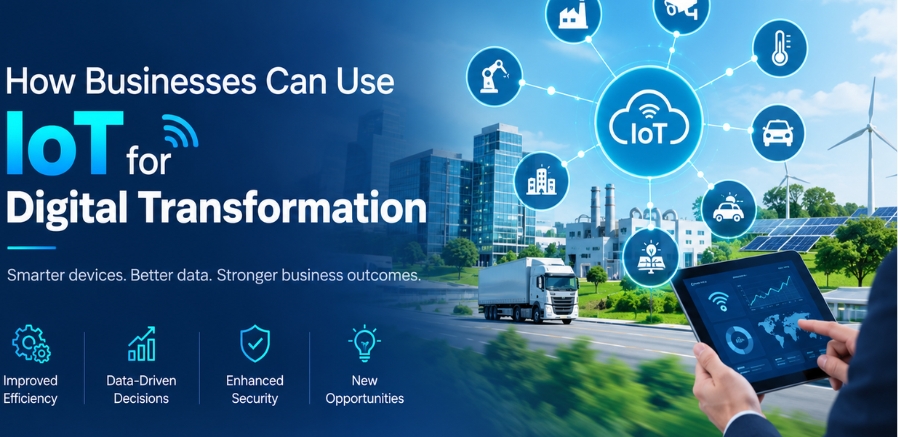
Choosing the right IoT development company is an important decision for businesses planning to connect devices, collect real-time data, automate processes, or build smart digital solutions. From manufacturing and logistics to healthcare, real estate, agriculture, and retail, IoT can help businesses improve operational visibility and make data-driven decisions.
However, successful IoT development requires more than connecting sensors to an application. It involves hardware integration, connectivity, cloud infrastructure, APIs, data management, cybersecurity, software development, testing, and ongoing support. This makes choosing the right technology partner essential.
Understand Your IoT Requirements First
Before hiring an IoT development company, clearly define what you want to achieve. Start with the business problem rather than focusing only on technology.
Determine what devices or sensors will be connected, what data needs to be collected, how frequently data will be transmitted, where it will be stored, and who will use the information. You should also identify whether you need a mobile application, web dashboard, automated alerts, analytics, AI capabilities, or integration with existing business software.
Having clear requirements allows you to compare potential IoT development partners more effectively.
Check Relevant IoT Development Experience
Experience is one of the most important factors when selecting an IoT development company. Ask about previous projects involving technologies and industries similar to yours.
A capable IoT partner should understand areas such as device integration, embedded systems, IoT gateways, MQTT, APIs, cloud platforms, mobile applications, dashboards, data processing, and device management.
Industry knowledge is also valuable. An IoT solution for a manufacturing facility may have very different requirements from an asset-tracking platform or smart-building solution.
Review case studies and ask what technical challenges the company solved, how the solution was designed, and how it performed after deployment.
Evaluate the Technology Stack
A professional IoT development company should recommend technologies according to your project requirements rather than using the same stack for every customer.
Depending on the project, IoT solutions may involve Wi-Fi, Bluetooth, cellular connectivity, LoRaWAN, NB-IoT, MQTT, HTTP, cloud platforms, databases, APIs, mobile applications, and web dashboards.
Ask the development partner why particular technologies are being recommended and whether the architecture can accommodate future devices, integrations, and increasing data volumes.
Prioritize IoT Security
Security should be considered from the beginning of IoT development. Connected devices can collect sensitive business and operational data, making authentication, encryption, access control, secure communication, and monitoring important components of the architecture.
Ask potential IoT development partners how they protect devices, APIs, cloud infrastructure, and data. Also discuss secure firmware updates, device authentication, vulnerability testing, and user access management.
For businesses operating in regulated industries, the development partner should understand the security and compliance requirements relevant to the intended market.
Look for Scalable Architecture
An IoT system that works with a small number of devices may face performance issues when the business expands.
Ask how the proposed architecture will handle additional devices, higher data volumes, increased users, and new integrations. A scalable IoT platform should be designed so that businesses can expand without completely rebuilding the solution.
The company should also explain how it will handle situations such as network failures, offline devices, duplicate data, delayed messages, and temporary cloud service interruptions.
Review Testing and Quality Practices
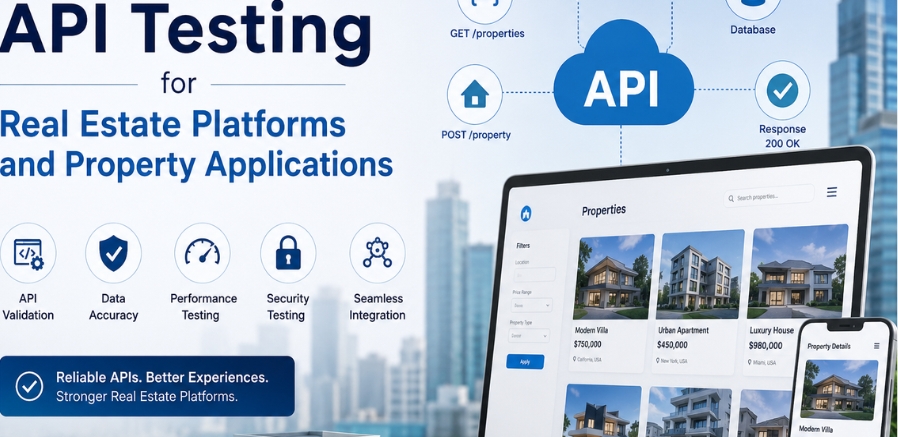
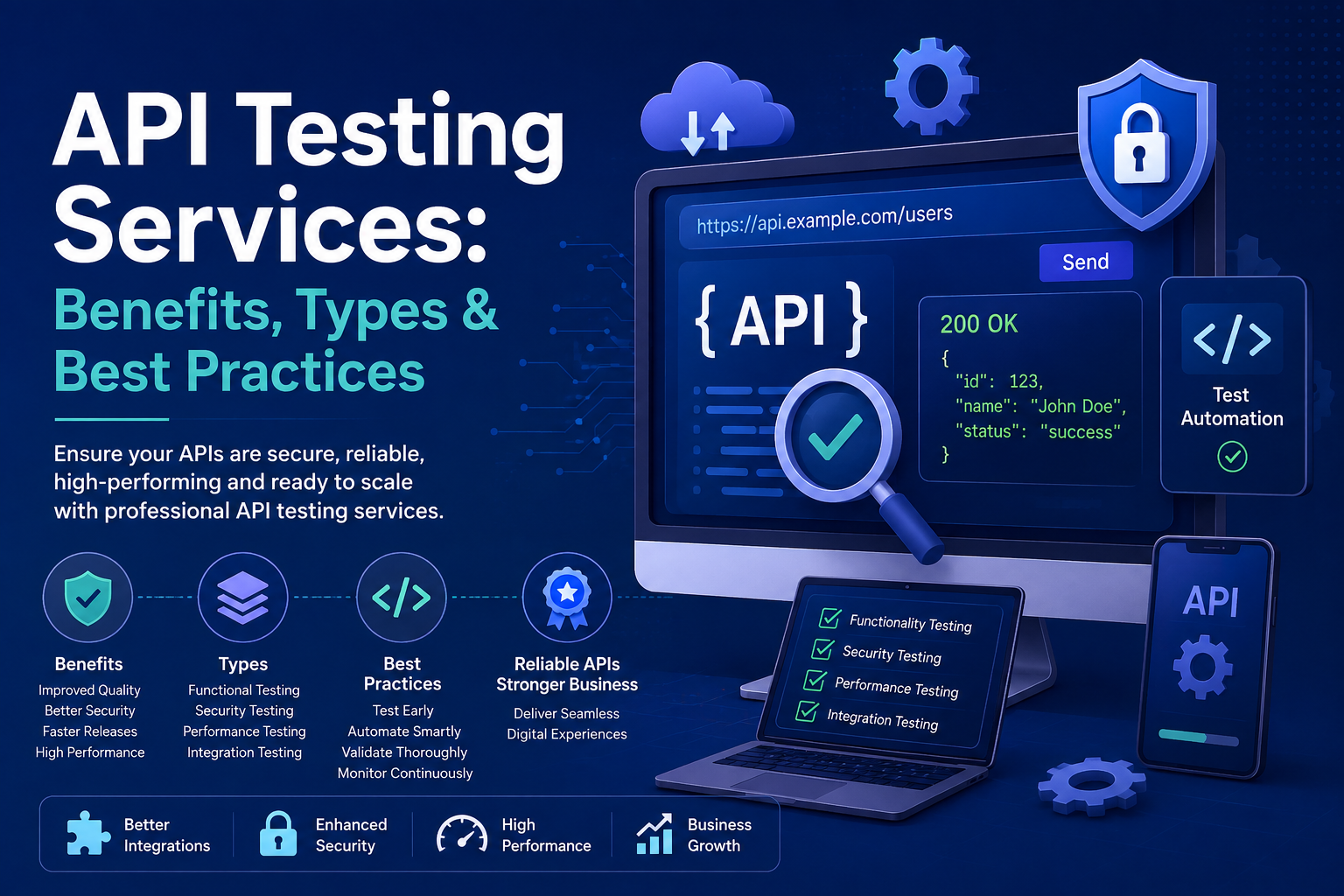
IoT applications require testing across multiple layers. This can include device compatibility testing, API testing, connectivity testing, performance testing, security testing, mobile and web application testing, and end-to-end testing.
Ask how the company validates the solution under real-world conditions. For example, what happens when a device loses connectivity or thousands of devices send data simultaneously?
A structured testing process can help identify reliability and performance issues before deployment.
Consider AI and Data Analytics
Modern IoT solutions increasingly focus on turning device data into actionable business insights. Depending on the use case, an IoT development partner may integrate analytics or AI for predictive maintenance, anomaly detection, equipment monitoring, forecasting, automated alerts, or operational optimization.
However, AI should support a specific business objective. A good development partner should first understand the business problem and then determine whether AI or advanced analytics provides measurable value.
Compare Cost, Support, and Communication
IoT development costs depend on device complexity, integrations, cloud infrastructure, applications, security, testing, and scalability requirements. Instead of selecting a company based only on the lowest quotation, understand exactly what is included.
Ask about project management, development milestones, documentation, source-code ownership, deployment, maintenance, and post-launch support.
Ongoing support is particularly important because IoT solutions may require software updates, device monitoring, security improvements, performance optimization, and future integrations.
Why Choose Askzenix Technologies for IoT Development?
Askzenix Technologies provides software development and digital transformation services that can support businesses developing connected and IoT-enabled solutions. Its capabilities across web and mobile development, backend engineering, APIs, cloud integration, software testing, data processing, and AI can help businesses build IoT solutions around their specific operational requirements.
The right approach is to start with discovery, define the IoT architecture, identify integration and security requirements, and then develop and test the solution in a structured manner.
Conclusion
Choosing the right IoT development company requires more than comparing prices or portfolios. Businesses should evaluate technical experience, device integration capabilities, security practices, scalability, testing processes, communication, and long-term support.
A reliable IoT development partner should understand your business objective, explain the proposed architecture clearly, and provide a practical roadmap from development to deployment and future expansion. Taking time to evaluate these factors can help reduce technical risks and create a more reliable foundation for long-term IoT adoption